

The geographic diversity of the Vietnamese landscape dictates that climatic conditions and cultural offerings vary significantly from north to south. The following compendium details the ten definitive locations that should form the backbone of any itinerary focusing on Vietnam travel in April.
1. Halong Bay: Unparalleled Conditions for Luxury Cruising

A recognized UNESCO World Heritage site, Halong Bay is a non-negotiable inclusion for anyone planning Vietnam travel in April. The meteorological data for this specific month is exceptional, providing conditions that are vastly superior to the stormy summer months or the fog-heavy winter season. During April, the region experiences a 75 percent probability of clear blue skies, and atmospheric visibility routinely exceeds 15 kilometers, allowing for unimpeded views of the iconic limestone karsts. Furthermore, the water temperature averages an inviting 24°C (75°F), creating perfect conditions for swimming and kayaking, while the presence of jellyfish is significantly reduced.
The primary mechanism for experiencing this maritime wonder during Vietnam travel in April is via multi-day luxury cruises. The local tourism industry offers a highly stratified fleet of vessels catering to different consumer demands and budgets.
Standard two-day itineraries provide a concentrated blend of relaxation and exploration, typically featuring morning Tai Chi sessions on the sun deck, Vietnamese cooking masterclasses, and guided excursions to prominent geological formations such as Sung Sot Cave and Titov Island. However, for those booking comprehensive Vietnam spring tours, three-day cruises are highly recommended. These longer voyages venture deeper into the less-trafficked waters of Lan Ha Bay or Bai Tu Long Bay, offering secluded kayaking through the Dark & Bright Cave system, bicycle excursions on Cat Ba Island, and nocturnal squid fishing under clear spring skies.
2. Hoi An: Timeless Lantern Tales and Heritage Preservation
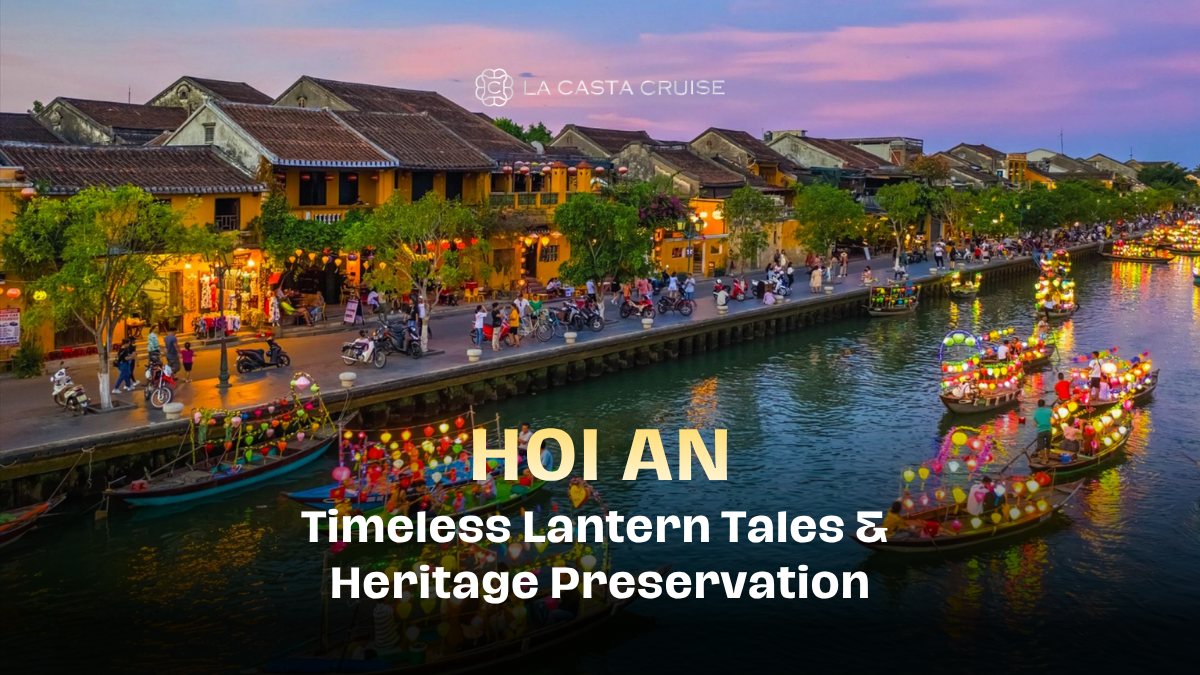
Located along the central coast, the impeccably preserved trading port of Hoi An is universally regarded as a centerpiece of Vietnam travel in April. The climate is beach-perfect, with daytime temperatures stabilizing around a comfortable 30°C (86°F) and minimal rainfall. This dry, clear weather is crucial, as Hoi An is predominantly an outdoor, pedestrian-centric experience that rewards slow, deliberate exploration.
The Hoi An Ancient Town is a UNESCO World Heritage site containing 1,107 perfectly preserved timber-frame buildings. To optimize the experience and avoid the densest crowds, walking tours should commence before 9:00 AM, allowing for unobstructed visits to the 400-year-old Japanese Covered Bridge, the Tan Ky Ancient House (constructed in 1741), and the various ornate Chinese Assembly Halls. As the day warms up, visitors often transition to the surrounding countryside. Bicycle tours along a popular 12-kilometer route guide travelers through lush rice paddies to the Tra Que Vegetable Village, where they can study traditional organic farming techniques and participate in highly acclaimed cooking classes utilizing local herbs.
The true magic of Hoi An, however, manifests after sunset. In April, the town frequently hosts its famous Lantern Festival, an event that historically aligns with the lunar full moon (such as April 13 in the 2025/2026 calendars). During this period, artificial municipal lighting is extinguished, and the ancient alleyways are illuminated entirely by thousands of vibrant silk lanterns. Between 7:00 PM and 10:00 PM, visitors participating in Vietnam travel in April can board small wooden boats to engage in a ceremonial release of floating lanterns onto the Thu Bon River, an experience that epitomizes the romantic and spiritual appeal of the country.
3. Ninh Binh: Navigating the Terrestrial Halong Bay
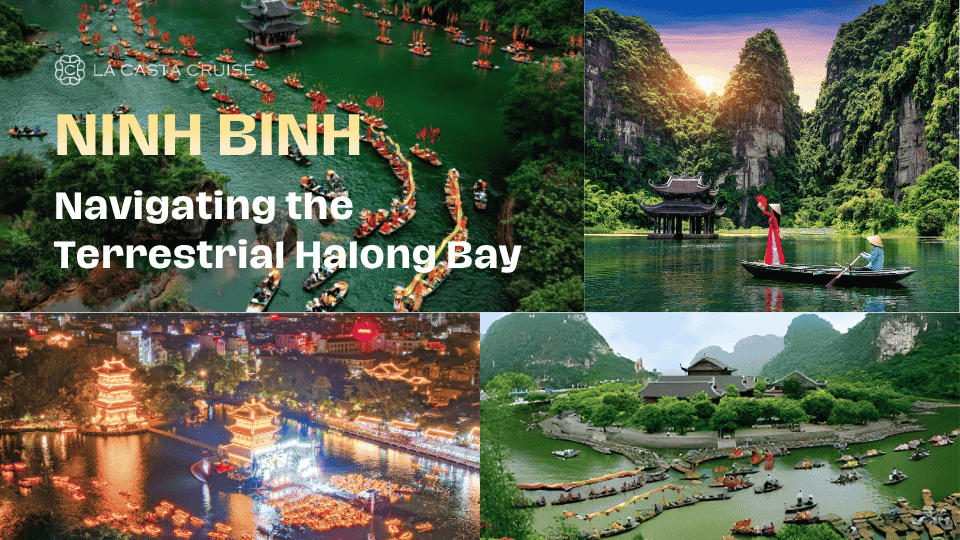
Located approximately two hours south of Hanoi, Ninh Binh is frequently referred to as “Halong Bay on land” due to its towering limestone topography. Integrating Ninh Binh into a schedule for Vietnam travel in April is a highly strategic decision. During this month, the region experiences 75 percent clear skies and boasts temperatures ranging comfortably between 22°C and 28°C (72°F to 82°F). Crucially, April represents a shoulder period where the destination sees approximately 40 percent fewer domestic tourists compared to the peak summer festival season, allowing for peaceful, unimpeded exploration.
The defining activity in Ninh Binh is navigating its intricate river systems via traditional sampan boats. The Trang An Scenic Landscape Complex, a recognized UNESCO World Heritage site, features a mesmerizing three-hour aquatic journey through interconnected valleys and a series of nine limestone caves, including the massive 315-meter-long Dark Cave. Alternatively, the Tam Coc route navigates the Ngo Dong River through three distinct caves (Hang Ca, Hang Hai, and Hang Ba). In April, the rice paddies flanking the river transition into vivid shades of green, preceding the golden harvest that occurs in late May, creating extraordinary conditions for landscape photography.
Beyond the waterways, Vietnam travel in April allows for strenuous physical activities without the risk of heat exhaustion. The ascent of Hang Mua (Mua Cave) requires climbing 500 steep stone steps at an incline of 30 to 45 degrees, culminating at a summit guarded by an elaborate stone dragon sculpture. This vantage point sits 200 meters above the valley floor and offers the most iconic panoramic view of the region. Additionally, history and architecture enthusiasts must visit the Hoa Lu Ancient Capital (dating back to the 10th century) and the gargantuan Bai Dinh Pagoda complex, which spans 700 hectares and houses a 36-ton bronze bell alongside 500 stone arhat statues.
4. Hue: Imperial Splendor and Spring Botanical Blooms

Transitioning further into Central Vietnam, the former imperial capital of Hue stands as a monumental testament to the Nguyen Dynasty. Vietnam travel in April is particularly advantageous here, as the harsh, oppressive heat of summer has not yet arrived, and the torrential rains of the autumn monsoon are months away. Temperatures hover between a pleasant 24°C and 30°C, providing ideal conditions for exploring vast, unsheltered historical complexes. Furthermore, April witnesses the blooming of the imperial gardens, with plumeria, orchids, and lotus flowers providing a vibrant, fragrant backdrop to the ancient stonework.
The centerpiece of any visit to Hue is the Imperial City (The Citadel), a massive 520-hectare UNESCO World Heritage site. Explorations of the Purple Forbidden City, Thai Hoa Palace, and the Royal Antiquities Museum, which houses over 10,000 dynastic artifacts, require several hours of walking, made highly comfortable by the temperate April climate.
The historical immersion continues along the banks of the Perfume River. Because river levels remain moderate and stable during this month, sunset cruises are highly recommended for those enjoying Vietnam travel in April. These aquatic journeys transport visitors to the seven-story Thien Mu Pagoda, recognized as the tallest religious structure in the country at 21 meters. Further inland, the elaborate royal tombs of past emperors, specifically the expansive 44-hectare Minh Mang Royal Tomb and the architecturally syncretic Khai Dinh Royal Tomb, serve as profound educational sites detailing Vietnam’s dynastic history. To conclude a day of historical touring, visitors routinely partake in Hue’s legendary royal banquet dinners, consuming complex, multi-course dishes originally designed exclusively for the palates of emperors.
5. Ho Chi Minh City: Urban Energy and Historical Gravity
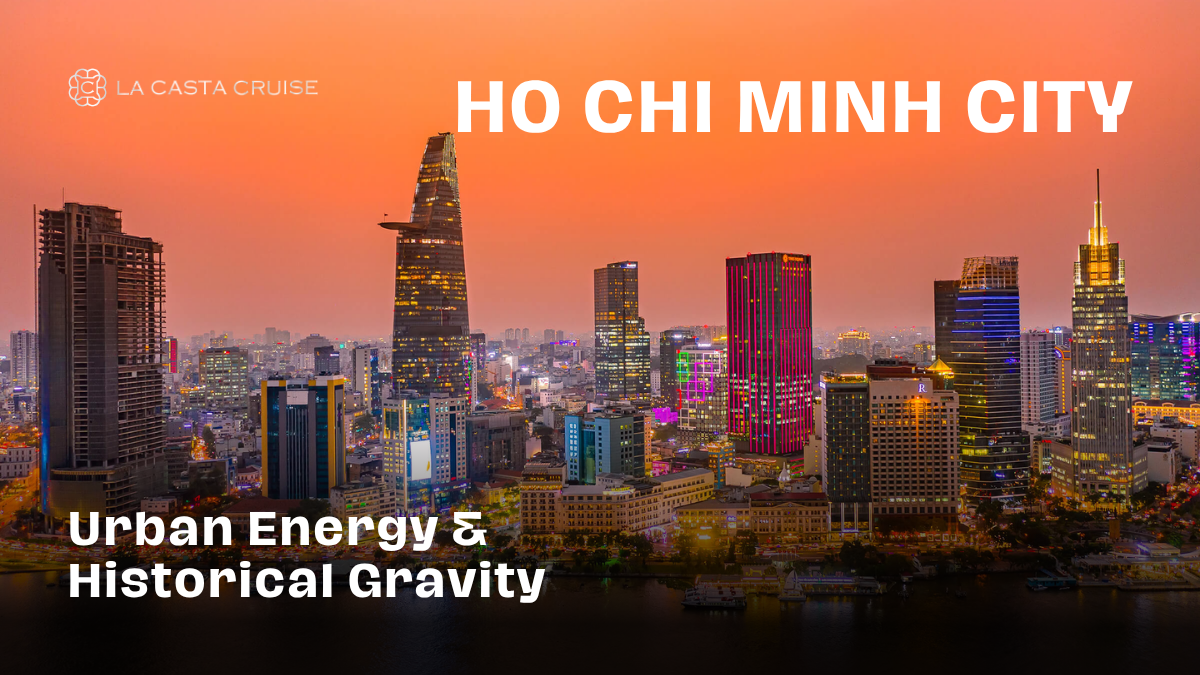
As the journey progresses southward, the climate shifts firmly into the tropical dry season. Ho Chi Minh City (formerly Saigon) in April is hot and humid, with temperatures consistently ranging between 27°C and 35°C (80°F to 95°F). However, because April falls just before the onset of the summer monsoon, the days remain largely dry, facilitating uninterrupted urban exploration and reliable logistics for those embarking on Vietnam spring tours.
Ho Chi Minh City represents the undeniable economic and energetic core of the country. A standard itinerary for Vietnam travel in April within this metropolis is deeply rooted in historical education. Classic city tours typically span eight hours and cover 15 kilometers of the urban center. Key landmarks include the Notre Dame Cathedral (constructed with materials imported directly from France), the Central Post Office (designed by Gustave Eiffel), and the bustling Ben Thanh Market. The architectural evolution of the city is stark, contrasting elegant French colonial structures like the 468-seat Saigon Opera House against hyper-modern skyscrapers such as the lotus-inspired Bitexco Financial Tower and Landmark 81, Vietnam’s tallest building at 461.5 meters.
The historical gravity of the city requires dedicated attention. The War Remnants Museum houses over 20,000 artifacts, photographs, and documents detailing the brutal realities of the Vietnam War. A visit to the 123-room Reunification Palace is especially poignant during Vietnam travel in April. April 30 marks Reunification Day, a major national holiday commemorating the official end of the war in 1975. During this time, the city is adorned with political banners, military parades commence early in the morning, and spectacular fireworks displays illuminate the Saigon River at night.
For a profound understanding of wartime logistics and guerrilla tactics, travelers must take a half-day excursion 70 kilometers northwest to the Cu Chi Tunnels. This staggering 250-kilometer subterranean network served as a covert military base. Visitors have the rare opportunity to crawl through a preserved 100-meter section of the tunnels, authentically narrow at only 80 to 120 centimeters high, and observe demonstrations of ingenious defensive mechanisms utilized during the conflict.
6. Sapa: Emerald Terraces and High-Altitude Trekking

For those prioritizing mountainous landscapes and indigenous culture during their Vietnam travel in April, the northern highland town of Sapa is unparalleled. While lowland regions begin to experience rising heat, Sapa maintains a highly comfortable microclimate due to its high elevation, with temperatures ranging between 12°C and 22°C (54°F to 72°F). This cool environment is essential for the physical exertion required to explore the region’s famous, undulating topography.
April signals a vibrant ecological shift in the Hoang Lien Son range, as terraced rice fields awaken from winter into lush green landscapes. In Sapa, early mornings bring mist-covered valleys, perfect for photography, before clearing skies reveal sweeping mountain views. Trekking options range from short 2-day routes through Muong Hoa Valley and Cat Cat Village, to longer 3–5 day journeys դեպի remote areas like Ban Ho and Sin Chai, with authentic homestays in Lao Chai and Ta Van.
Beyond nature, April in Sapa offers rich cultural and culinary experiences. Visitors can enjoy the traditional Red Dao herbal bath and savor local specialties such as thắng cố, lợn cắp nách, and xôi bảy màu. For adventure seekers, conquering Fansipan Mountain, the “Roof of Indochina”, is a highlight, especially under April’s clear skies.
7. Phu Quoc Island: The Ultimate Pre-Monsoon Beach Escape
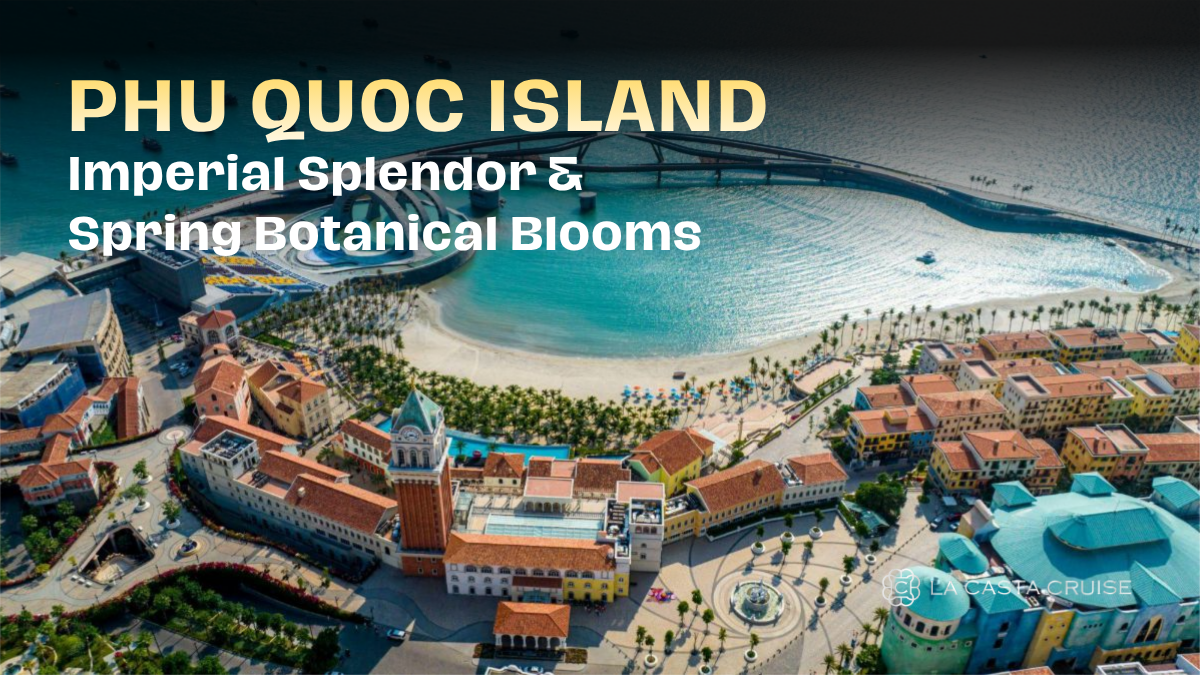
To conclude an exhaustive expedition, the southern island of Phu Quoc offers unparalleled coastal relaxation. April represents the absolute zenith for beach conditions on the island before the torrential rains and heavy winds of the summer monsoon arrive. The meteorological parameters are ideal for marine activities: the sea temperature averages a bath-like 29°C (84°F), and underwater visibility routinely extends to 15 or 20 meters on clear days.
Consequently, Phu Quoc has solidified its status as a premier hub for luxury marine tourism and wellness retreats. The accommodation infrastructure ranges from budget-friendly homestays near Dam Trau Beach to world-class luxury resorts. The JW Marriott Phu Quoc Emerald Bay, situated at the crescent-shaped Khem Beach, offers extreme privacy and exclusive villa access, directly catering to the rising demand for secluded luxury and regenerative tourism. Meanwhile, Long Beach (Bai Truong) serves as the vibrant epicenter for beachfront nightlife, dining, and sunset cruises.
The exceptional water clarity makes Vietnam travel in April the perfect time for diving and snorkeling. Boat tours navigating the 15 smaller islands of the An Thoi Archipelago frequently stop at the vibrant coral reefs of Gam Ghi, May Rut, and Hon Thom for underwater exploration. Eco-conscious travelers can engage in three-hour guided kayak tours through the southern coastal mangroves, or seek out starfish in the shallow, tranquil waters of Rach Vem Beach. As evening falls, specialized tours offer nocturnal squid fishing experiences, culminating in a cook-your-catch dinner and the rare, magical opportunity to swim among bioluminescent plankton.
8. Dak Lak Province: The Cultural Heart of the Central Highlands
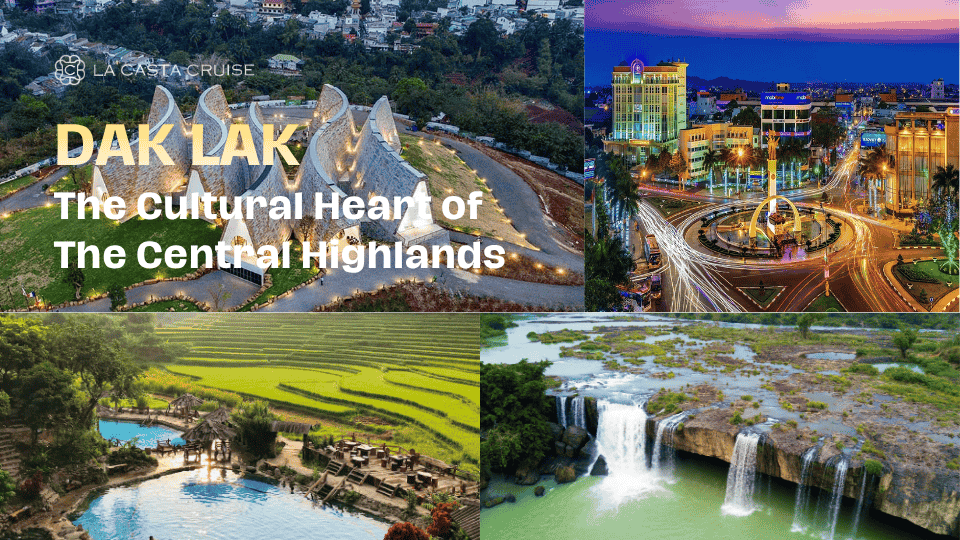
For travelers seeking experiences completely off the beaten path, incorporating Dak Lak Province into their itinerary for Vietnam travel in April provides a rare glimpse into the authentic heritage of the Central Highlands. The weather here is dry and warm, providing excellent conditions for navigating the region’s coffee plantations and massive inland lakes.
The primary reason to visit Dak Lak during this specific month is to witness the spectacular Elephant Race Festival, an event typically held in mid-April. This festival is a cornerstone of the traditional culture of the M’Nong ethnic group, designed to celebrate the strength and historical significance of elephants in their society. Visitors participating in Vietnam travel in April can watch as 12 to 15 massive elephants race across a 500-meter dirt field, an incredibly powerful display of speed and coordination.
Beyond the races, the festival provides a deep dive into indigenous traditions. The event features traditional gong performances, a musical art form recognized by UNESCO as a Masterpiece of the Oral and Intangible Heritage of Humanity. Visitors can also explore local food markets featuring highly unique Central Highlands specialties, making Dak Lak an unforgettable cultural detour for those engaged in comprehensive Vietnam spring tours.
9. Da Lat: The Highland Floral Fantasy

For travelers seeking a complete departure from the tropical heat of the southern and central coasts, the highland city of Da Lat provides a highly refreshing sanctuary. Situated at a high elevation, Da Lat is characterized by a temperate climate featuring fresh, crisp air, consistent cool breezes, and clear skies, effectively serving as an alpine retreat. Incorporating Da Lat into a schedule for Vietnam travel in April is highly strategic due to the spectacular floral phenomena that occur during the spring months.
Often referred to as the “City of Eternal Spring,” Da Lat transforms into a sprawling floral fantasy in April. The city frequently hosts special spring editions of the Dalat Flower Festival (specifically scheduled for April 1-5 in the 2025/2026 calendars), where immense, elaborate floral displays are erected across seven distinct municipal sites. The streets, public parks, and surrounding hillsides erupt in a riot of color, heavily featuring massive blooms of hydrangeas, roses, and wild sunflowers.
Activities in Da Lat lean toward the pastoral, the artistic, and the romantic. Visitors can attend elaborate flower-themed parades, participate in specialized photography workshops aimed at capturing the vibrant botanical life, and engage in local agritourism. The region’s cool climate allows for the cultivation of crops impossible to grow elsewhere in the country; consequently, sophisticated wine tasting tours focusing on local strawberry and mulberry wines have become a highly popular addition to any itinerary regarding Vietnam travel in April. Da Lat perfectly encapsulates the “hushed hobbies” trend, offering a quieter, more reflective environment compared to the bustling coastal metropolises.
10. Phu Tho Province: The Genesis of the Nation
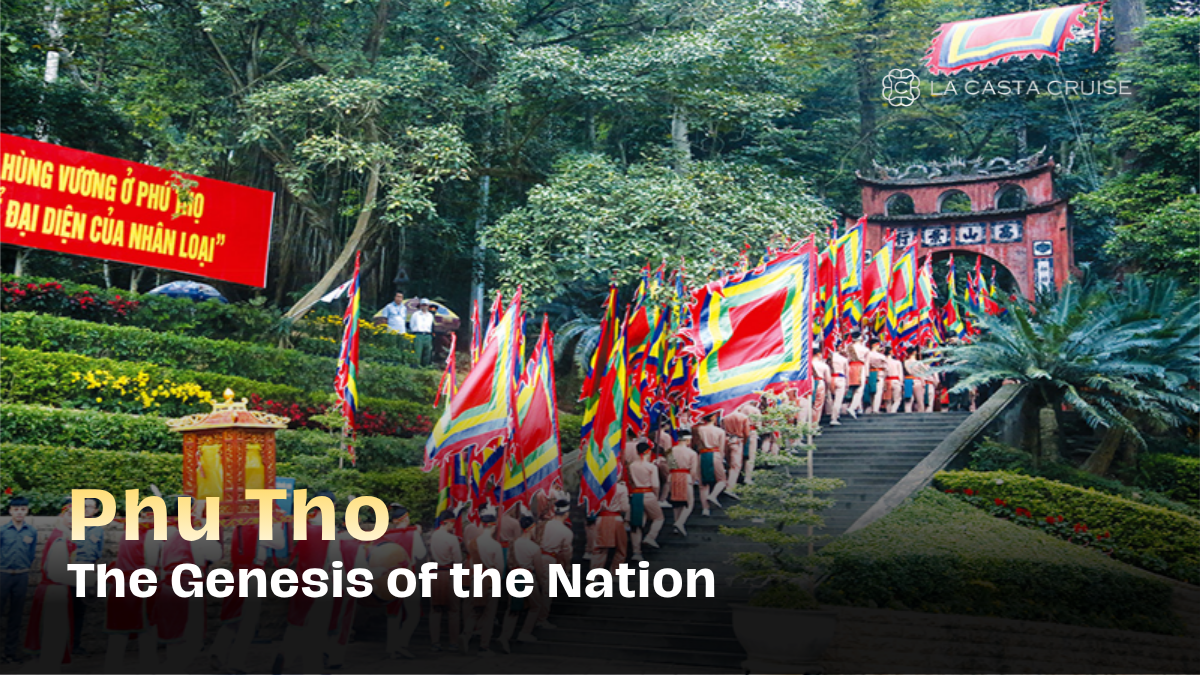
To complete a well-rounded itinerary encompassing natural beauty, urban energy, and profound historical significance, travelers must look to Phu Tho Province. Located northwest of Hanoi, this region holds immense spiritual and historical gravity for the Vietnamese people. For those focused on cultural authenticity during their Vietnam travel in April, this destination is absolutely paramount.
The primary draw is the Hung Kings Temple Festival, a massive national celebration that honors the legendary founders of the Vietnamese nation. While the date fluctuates slightly based on the lunar calendar, the main event traditionally falls on or around the 10th day of the third lunar month, which consistently lands in April. This festival is one of the most significant cultural celebrations in the country, drawing massive crowds of domestic pilgrims.
Travelers integrating Phu Tho into their plans for Vietnam travel in April will witness an extraordinary display of national pride and ancient tradition. Activities include observing highly competitive traditional bánh chưng (square sticky rice cake) making competitions, and watching UNESCO-recognized Hát xoan (spring singing) performances. The visual centerpiece of the festival is the grand procession, featuring over 100 elaborately decorated palanquins, which culminates in solemn incense offerings at the Upper Temple beginning at 6:30 AM. Witnessing this event provides a level of historical and cultural insight that cannot be replicated elsewhere, serving as a powerful conclusion to any journey.
Understanding Vietnam April Weather: Perfect for Travler
When optimizing an itinerary for April destinations in Vietnam, understanding the nuanced climatic disparities across the country is vital. The month operates as a transitional bridge between the cool, dry winter and the hot, wet summer, creating a unique window of opportunity where the entire geographical length of the country is highly accessible.
The data clearly indicates that Vietnam April weather is highly conducive to broad, multi-region exploration. The northern provinces experience a pleasant spring awakening, free from the heavy mists of winter. The central coast enters its premium dry season, providing flawless conditions for beachgoing and the exploration of unshaded heritage sites. Meanwhile, the southern region, while experiencing elevated heat, remains dry, creating idyllic conditions for the islands in the Gulf of Thailand and the South China Sea.
Final Insights on Vietnam Travel in April
The empirical data and qualitative analysis presented herein confirm that executing a strategy centered around Vietnam travel in April offers unparalleled opportunities for international visitors. The transitional climate provides a rare meteorological sweet spot where the entire country, from the emerald terraces of Sapa to the bioluminescent bays of Phu Quoc, can be explored under optimal conditions.
By carefully selecting April destinations in Vietnam, travelers can bypass the crushing crowds of the peak summer months, engaging in highly personalized, regenerative tourism experiences that align with the latest global travel trends. Whether the objective is conquering mountain peaks, cruising through ancient limestone karsts, or participating in centuries-old lantern festivals, Vietnam travel in April delivers a definitive, world-class experience that caters to the most discerning of modern explorers.