
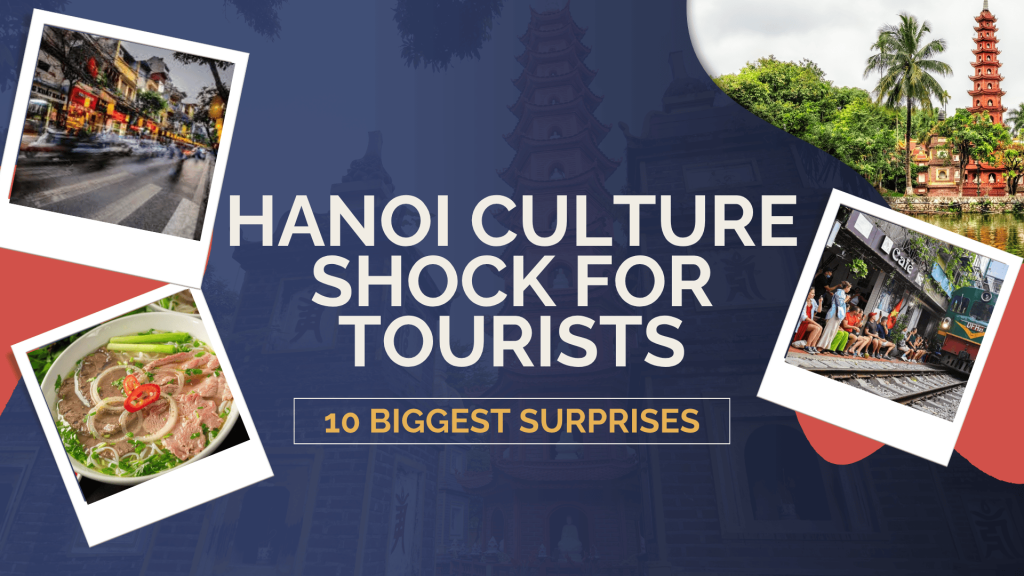
The moment a traveler leaves Nội Bài Airport and enters the buzzing streets of Hanoi, the city’s chaotic charm hits instantly. Unlike polished modern capitals, Hanoi is a vibrant blend of ancient heritage, colonial architecture, and an energetic modern rhythm. Scents of grilled pork, the clash of traffic, and temples tucked between French villas create an unforgettable sensory rush.
While many see Hanoi only as a gateway to Halong Bay or Sapa, the city itself delivers the most vivid impressions. This guide highlights the core Hanoi culture shock for tourists, offering a concise look at the unexpected things Hanoi travel brings, from practical survival tips to surprising local culinary gems.
Section 1: Mastering the Urban Labyrinth (The Logistical Surprises)
1. The Motorbike River and the Paradox of Crossing the Road
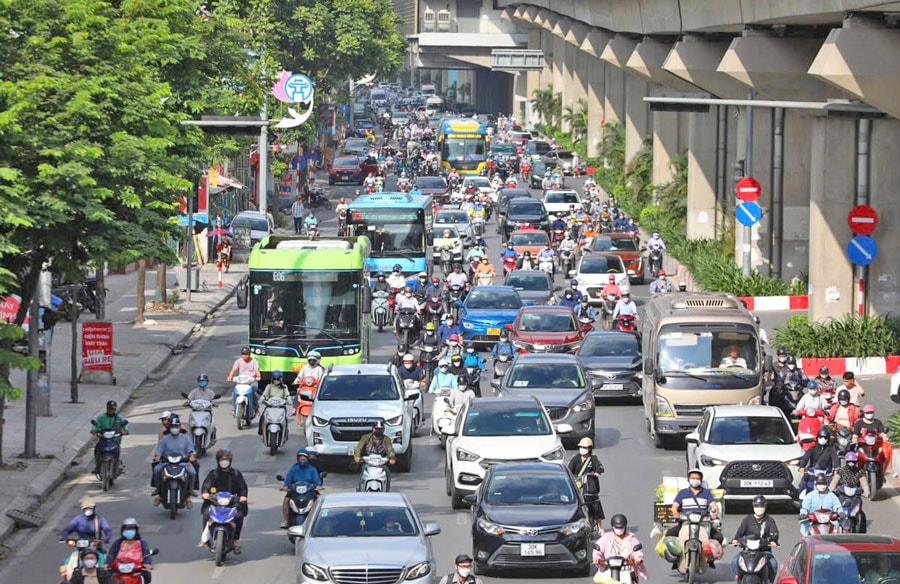
The most immediate and terrifying shock for any newcomer is the sheer volume of motorbikes. Hanoi’s urban landscape is dominated by two wheels, essential for the daily life of its residents. As of 2015, Hanoi was home to nearly five million motorbikes, generating a constant, flowing river of traffic that appears, at first glance, completely chaotic. During peak hours, typically 7-9 AM and 5-7 PM, the density and noise can be an intense auditory and visual assault.
Motorbikes dominate Hanoi because of constant congestion and limited public transport. They’re flexible, affordable, and can weave through narrow streets, making them essential for commuters, vendors, and families alike. This dense flow isn’t chaos but an adaptive response to the city’s urban realities. Recognizing this helps ease the Hanoi culture shock for tourists.
The biggest logistical hurdle, and the source of great anxiety, is the counter-intuitive solution for crossing the road in Hanoi safely. Tourists who wait endlessly for a gap will never cross. The key is to walk slowly and steadily, maintaining a predictable pace and making direct eye contact with oncoming drivers. The locals are highly skilled at predicting pedestrian movement and will navigate around the tourist. Running, stopping suddenly, or erratic movements are what break the flow and introduce risk.
2. The Sidewalk Is a Shared, Multi-Purpose Urban Stage
One major Hanoi culture shock for tourists is discovering that sidewalks rarely function as pedestrian space. The unexpected things Hanoi travel reveals include constantly navigating motorbike parking, street kitchens, coffee stalls, and restaurant seating that spill onto the footpath. Pedestrians often step into the street, moving with traffic to get around these everyday activities.
This vibrant “life on the street” is a defining feature of Hanoi, where many small vendors, often women, temporarily use public space to meet daily demands for fresh food and quick services. The result is a fluid “sidewalk ballet,” a continual negotiation of shared space. The true surprise is understanding that sidewalks aren’t simply walkways, they’re living microcosms of Hanoi’s social and economic rhythms.
3. The Price Tag is Merely a Suggestion (The Art of the Bargain)
For visitors accustomed to fixed retail pricing, the fluid pricing in Hanoi’s markets and smaller shops can be a source of bewilderment. Prices are highly volatile and negotiable, often changing depending on the time of day, how much business the shopkeeper has had, or their immediate assessment of the tourist. This lack of standardized pricing is a hallmark of certain commercial areas.
Bargaining is one of the most vital unexpected things Hanoi travel demands, yet it is often misunderstood by tourists as a confrontation. It is, in fact, a friendly conversation—a social performance requiring respect, politeness, and humor. Tourists are generally advised to start negotiations with a reasonable offer, sometimes half the initially quoted price, and then settle closer to the median. Using a calculator to bridge language barriers and learning a simple phrase like Bớt chút đi (give me a discount) goes a long way to establishing rapport.
Because success in these transactions depends heavily on social exchange rather than simple transactional value, this shift requires a new level of engagement. Learning to negotiate politely transforms a potentially jarring financial interaction into a rewarding cultural exchange.
Section 2: Culinary Shockwaves (Taste Surprises and Street Food Mastery)
4. Coffee with an Egg? The Decadence of Cà Phê Trứng

Among the best street food surprises Hanoi has to offer, Egg Coffee (Cà Phê Trứng) is one of the most delightful, and one of the biggest Hanoi culture shock for tourists. While many visitors hesitate at the idea of coffee topped with egg, the first sip reveals a rich, tiramisu-like cream made from whipped egg yolk, sugar, and condensed milk layered over strong Vietnamese coffee.
Created in the 1940s by Nguyen Van Giang during a period of milk scarcity, this inventive substitute became an iconic drink. His family still serves the original recipe at Giang Cafe today, proving how wartime creativity transformed a simple workaround into a beloved national specialty.
5. Bia Hoi: The World’s Cheapest, Most Social Draft Beer
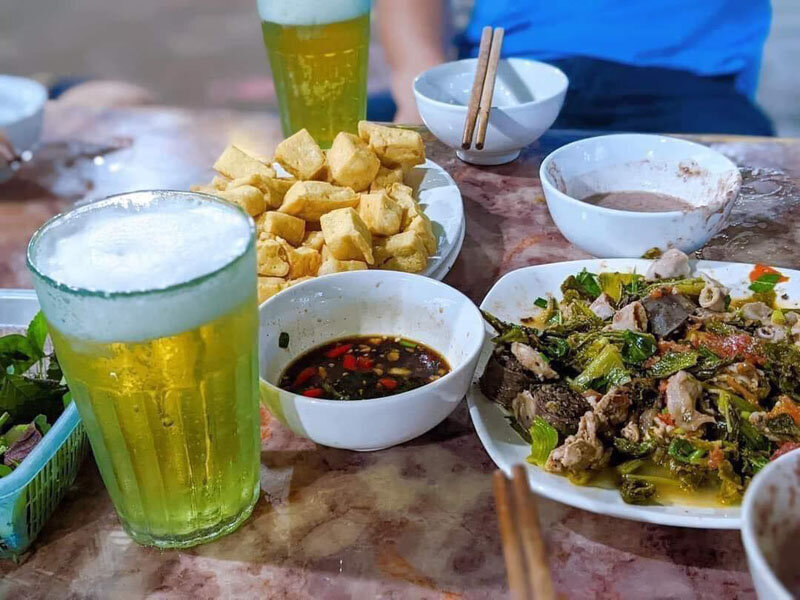
The discovery of Bia Hoi is another highlight among the best street food surprises Hanoi offers. Bia Hoi is a fast-produced, light, fresh draft beer made typically from rice, malt, and sugar. It is famously, almost unbelievably, cheap , served fresh daily from reusable metal kegs in rudimentary street-side settings.
While beer drinking was introduced by the French who opened the first brewery in Hanoi in 1890, Bia Hoi became truly popular after 1954 when Vietnam nationalized production and aimed to make beer accessible to the masses. Today, the consumption of Bia Hoi is not merely about drinking; it is a vital social concept. It is a tradition enjoyed by people of all social groups, often consumed over long dinners where deals and contracts are sealed. The shock here lies in the sheer accessibility and democratic nature of this indulgence, providing tourists with an unparalleled, authentic social experience for minimal cost.
6. Street Food Safety: Trust the Crowd, Not the Scenery
Many visitors approach Hanoi’s street food with caution, but one Hanoi culture shock for tourists is that the safest stalls are usually the busiest, not the cleanest-looking. High turnover means fresh ingredients and food that doesn’t sit out for long.
Choose dishes cooked thoroughly and served hot, like phở or grilled bún thịt nướng, and watch for basic hygiene signs such as clean clothing, covered food, and separate handling of raw and cooked items. Be careful with raw vegetables or crushed ice unless you trust the water source. Learning to observe these details is the key to enjoying Hanoi’s most delicious and unexpected street food experiences.
Section 3: Culture, History, and Safety (Deep Dive Surprises)
7. The Lingering Grandeur of French Colonial Architecture
The chaotic energy of the Old Quarter’s narrow, ancient streets suddenly gives way to wide boulevards and imposing colonial structures, a visual juxtaposition that is a major Hanoi culture shock for tourists.
Visitors are often surprised by the scale of Hanoi’s French colonial legacy. Landmarks like the Hanoi Opera House, St. Joseph’s Cathedral, the former French Indochina Bank (now the State Bank), and even structures such as the Hang Dau Water Tank and Hoa Lo Prison all reflect this era. These buildings aren’t just historical remnants, they’ve become living symbols of national history. Places like Cua Bac Church, with its Asian-European blend, show how Vietnam transformed foreign influences into a unique urban identity.
8. The Dong Dilemma: Mastering the Currency and Avoiding Money Scams
One of the most practical unexpected things Hanoi travel requires is meticulous financial rigor, primarily due to the challenges presented by the Vietnamese Dong (VND). Tourists must rely heavily on physical cash.
The main difficulty lies in the currency’s high denominations and the deceptive similarity between some notes. For example, the blue 20,000 VND and the blue 500,000 VND notes can be easily confused, a similarity that is often exploited in money-switching scams by vendors or taxi drivers. A quick hand movement can switch a high-value note for a low-value one, with the vendor then claiming the tourist underpaid.
This financial vigilance is a jarring counterpoint to the city’s inherent warmth. To ensure safety, travelers must keep only small amounts of cash (e.g., up to 500,000 VND) in their pockets for daily use and secure larger reserves and valuables like passports in a hotel safe. The need to constantly verify change and verify every transaction is a critical element of the learning curve and a significant aspect of the initial Hanoi culture shock for tourists.
9. Petty Theft on Two Wheels: The Snatching Risk
Tourists must avoid extending phones or cameras while near busy streets and corners. Mitigation strategies include wearing a money belt or a cross-body bag with a secure zipper, worn tightly across the chest, and avoiding walking near the curbs with bags or valuables exposed. The shock is in realizing that the city’s defining mode of transport, the flexible, ubiquitous motorbike, is dual-edged, facilitating both daily life and high-speed theft. Maintaining situational awareness regarding this specific threat is crucial for a secure visit.
10. The Deep, Hidden Pockets of Tranquility
After processing the intense logistics, the final, most reassuring surprise is discovering profound calm tucked away amidst the city’s sensory overload. Given the density of the city (around 10 million people), Hanoi intentionally maintains green spaces and historical sites that serve as necessary pressure valves, allowing the population to decompress and connect with history.
Hoan Kiem Lake, the iconic “heart of Hanoi,” is the foremost oasis, offering peaceful escapes ideal for morning walks and photos by the Turtle Tower. Equally striking is the Imperial Citadel of Thang Long, a UNESCO World Heritage site dating back to the 11th century. Despite being located directly in the heart of the city, the citadel grounds offer hours of quiet exploration, providing a tangible connection to Vietnam’s political history. Other anchors, such as the Temple of Literature (Vietnam’s first university, founded in 1070), further contribute to the city’s spiritual and historical depth.
These serene areas are not accidental; they are crucial components of urban balance. The biggest Hanoi culture shock for tourists ultimately resolves in the discovery of the city’s ability to shift gears instantly, moving from the horn-blaring chaos of the Old Quarter to centuries of quiet contemplation. The true character of Hanoi is defined by this constant, vibrant tension between the frenetic present and the profound past.
Conclusion: Embracing the Chaos and Charm
Hanoi delivers an unforgettable experience that few other capital cities can match. The initial sense of overwhelm, the pervasive Hanoi culture shock for tourists, is a necessary rite of passage. It is the moment travelers realize that their traditional expectations of urban order and logistical ease do not apply.
The journey through the 10 most truly unexpected things Hanoi travel introduces, mastery of the practical challenges, such as learning how to confidently secure valuables or crossing the road in Hanoi safely, is the key to unlocking the city’s authentic charm. The capital’s unique blend of French architectural heritage, ancient Vietnamese spirituality, and resourceful street life, epitomized by the best street food surprises Hanoi hides in plain sight, ultimately creates a compelling narrative of resilience, community, and relentless energy. Hanoi demands engagement, and in return, it rewards the visitor with an experience that is unlike any other in Southeast Asia.
Read more articles to known more about travel in Viet Nam